
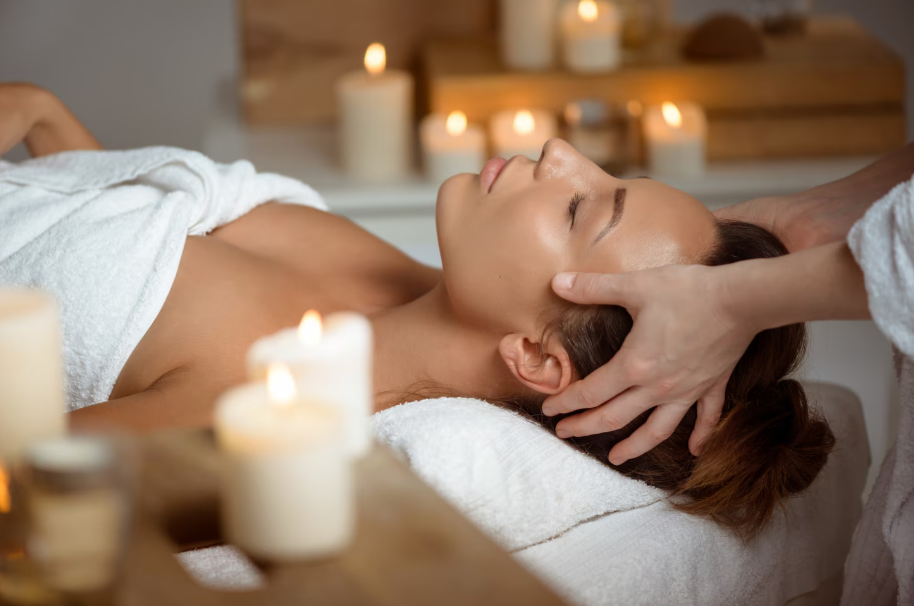
In our fast-paced modern world, stress has become an almost inevitable part of daily life, affecting both our mental and physical well-being. One effective method to combat this stress and rejuvenate both body and spirit is through a relaxing massage. This art form, which has roots tracing back thousands of years, seamlessly combines the scientific understanding of the human body with the fine-tuned craft of trained hands. Delve into the world of massage therapy to explore its benefits, techniques, and varying styles.
Understanding the Origins
Massage therapy, often referred to as the manipulation of muscles and tissues, can be traced back to ancient civilisations. From the therapeutic practices of the Indian Ayurveda tradition, which is over 5000 years old, to the ancient Chinese methods like Tui Na, massage has historically been used not just for physical relief but for spiritual balance as well. These cultures developed techniques that are still in use today because of their effective stress-relieving and healing benefits.
The Physiology of Stress Relief
The core of any massage technique is its ability to alleviate stress. During a session, the therapist employs manual pressure to reduce muscle tension, increase blood circulation, and release endorphins, often referred to as the body’s ‘feel-good’ hormones. This physical interaction not only helps in the reduction of stress hormones such as cortisol but also has a profound effect on the autonomic nervous system, promoting relaxation and recovery.
Types of Massage Techniques
There are countless types of massage techniques available, each designed to target different needs and preferences.
– Swedish Massage: This is one of the most common and well-known methods. It involves long, flowing strokes, combined with kneading and circular movements on the muscles’ top layers. It’s particularly effective in aiding blood circulation and flexibility.
– Deep Tissue Massage: Aimed at deeper layers of muscle tissue, this technique uses slower strokes and more intense pressure to release chronic patterns of tension stored in the body.
– Shiatsu Massage: A Japanese methodology based on similar principles to acupuncture. It employs finger pressure along the body’s meridians to balance energy flows, often incorporating stretching exercises in the process.
– Aromatherapy Massage: This type of massage incorporates essential oils into the practice to harness their natural healing properties. Different scents are used to promote relaxation, energy, and emotional well-being.
The Psychological Benefits
Beyond the physical advantages, the psychological impact of massage therapy can be significant. The sense of touch provided by a skilled therapist can be immensely comforting, enhancing both emotional and mental well-being. This therapy can act as a powerful antidote to anxiety, depression, and sleep disorders. There’s emerging evidence to suggest that regular sessions may contribute to improved mental clarity and focus.
Decoding the Myths
Despite its popularity, several myths surround the practice of massage therapy. Some believe that intense pressure is necessary for effective relief, whereas others think that massage can cure illnesses. It’s crucial to understand that while massage can significantly enhance quality of life, it should complement traditional medical treatments rather than replace them.
Choosing the Right Practitioner
Choosing the right massage therapist can dramatically influence the quality and effectiveness of the experience. A qualified therapist will have received formal training and possess a keen understanding of human anatomy and physiology. They will also take into account personal preferences, previous injuries, and specific stress points. Good communication with a therapist can help tailor the session to individual needs, maximising the therapeutic benefits.
When to Consider a Massage
Incorporating regular massage therapy into one’s lifestyle can be a strategic approach to maintaining a healthy balance between physical activity and relaxation. While many opt for massages following intense physical exercise to prevent muscle soreness, others schedule appointments before or after significant life events as a means of preserving emotional equilibrium.
Integrating Massage Into Modern Wellness Practices
Today, massage therapy is often paired with other wellness practices such as yoga, meditation, and aromatherapy to create comprehensive health programmes. These combined approaches cater to both physical restoration and mental rejuvenation, enabling individuals to attain harmony and balance in everyday life.
Conclusion
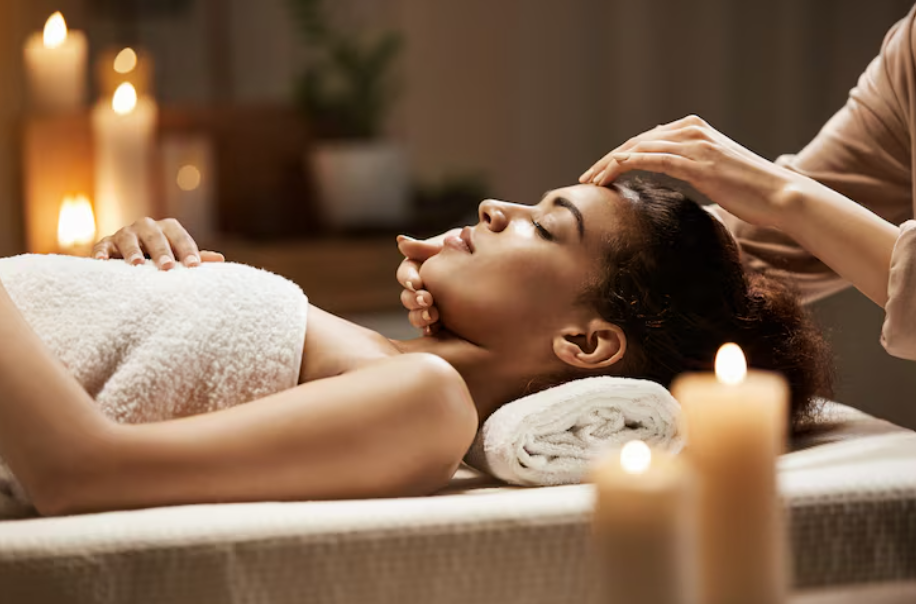
Massage therapy has stood the test of time due to its numerous holistic benefits. Whether one seeks a Swedish, deep tissue, or any other type of massage, the aim remains consistent: to foster relaxation, alleviate stress, and promote overall well-being. As massage therapy continues to evolve, its rich tradition blended with modern science promises to provide relief and comfort to many in the years to come.
For more information about the benefits and types of massages available, you can explore this resource on relaxing massage. Adapting to this therapeutic practice may be the key to balancing the physical demands and emotional challenges of modern life.