
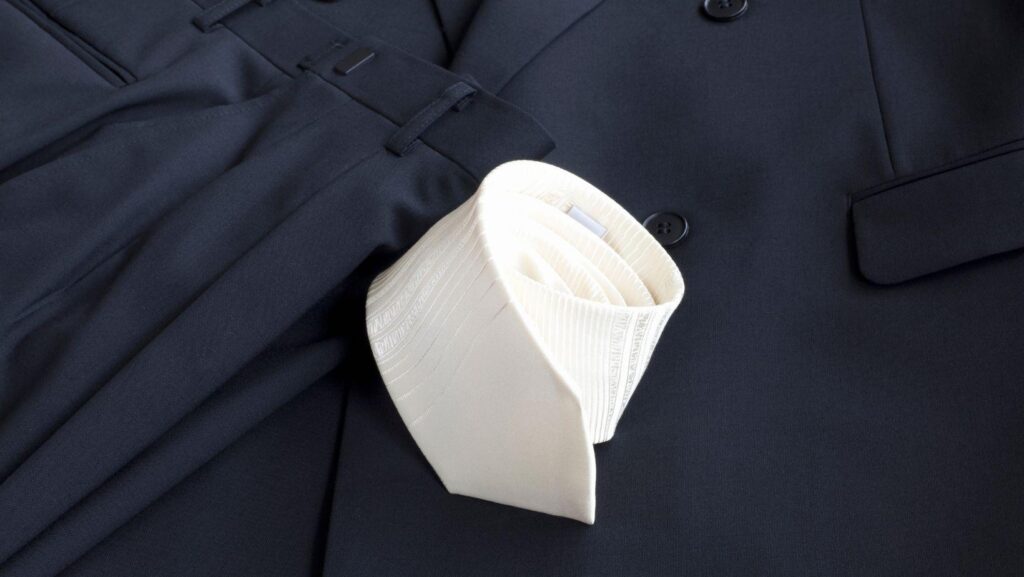
Most people go their whole lives without ever getting an invitation that says "White Tie." That's not a coincidence. Out of every dress code out there, this one leaves the least room to improvise, and once you get why, every other dress code, black tie, formal, semi-formal, suddenly makes a lot more sense.
Why White Tie Has Just One Right Answer
Almost every other dress code gives you some kind of choice. Black tie optional lets you pick your level of dressy. Semi-formal shifts depending on whether it's a daytime brunch or an evening reception. Even plain black tie leaves room to have fun with it, a jumpsuit here, an unexpected color there. White tie doesn't play that game. There's really only one version of it, and doing your own thing isn't seen as creative, it's seen as getting it wrong.
For women, that means a gown that hits the floor. Not tea-length. Not a chic jumpsuit. Not a "technically formal" cocktail dress. This dress code took shape back in 19th-century Europe, at royal courts and diplomatic events, and it honestly hasn't budged much since.
Where You'll Actually See White Tie in Real Life
Because the rules are this strict, white tie events are genuinely few and far between. The Nobel Prize ceremony and banquet is one of the best-known examples still happening today. The official dress code calls for white tie and tails for the men and an evening gown for the women, and laureates famously get fitted for it specifically once they find out they're headed to Stockholm.
Outside of the Nobel ceremony, white tie mostly shows up at state dinners, royal events, and a small handful of long-running charity galas, Elton John's annual White Tie and Tiara Ball being one of the most famous. It's basically vanished from weddings, the opera, and regular high-society nights out, which is exactly why so few of us ever run into it in person. On the rare occasion it does show up on a wedding invite, it's a pretty clear sign you're headed to something big.
White Tie vs. Black Tie: What Actually Changes
The white tie dress code for women comes down to one non-negotiable: a floor-length gown, paired with restrained jewelry and a polished, low-key silhouette. No cocktail-length hems, no bold prints, no room to make it your own. That single rule is what makes it so easy to spot the moment black tie starts giving you room to breathe.
Black tie, even though it sits just one step down, actually lets you play a little. A floor-length gown works, but so does a great cocktail dress or a sharp jumpsuit, depending on the event. White tie takes that choice off the table entirely. The gown has to reach the floor. The style stays understated rather than trendy. Where a black tie event might welcome a statement color or a modern cut, white tie rewards playing it classic every time.
Following the rules isn't about limiting your style. It's about showing respect for the occasion and the people hosting it. Once you understand the expectations, choosing an outfit becomes much easier, especially with a clear guide to the white tie dress code for women that covers the timeless silhouettes, fabrics, and finishing touches appropriate for the most formal occasions.
The occasions themselves tell the same story. Black tie shows up constantly, weddings, galas, awards shows, opera nights. White tie sticks to the short list of moments, state functions, royal events, a few historic balls, where being formal is basically the whole point of the evening.
The Glove Question (And Other Details People Get Wrong)
Long white or coordinating gloves are one of the most recognizable white tie touches, but the actual etiquette is a bit more nuanced than most quick guides let on. According to an article, the go-to British etiquette authority, gloves used to be a given at white tie balls and dinners, but they're not strictly required at every modern event anymore. When you do wear them, there's an unwritten rulebook: keep them on while dancing, greeting people, or shaking hands, but slip them off before you eat, even for a single bite-sized appetizer.
That's really the whole point of white tie in a nutshell. It's not just "the fanciest option available." It's a set of specific, mostly unspoken rules that assume you already know them.
Why Every Other Dress Code Gets Compared to This One
Once you think of white tie as the actual ceiling, everything else starts to make sense as a step down from it. Black tie is basically "formal, but you can breathe a little." Black tie optional is "formal, with even more breathing room." Semi-formal and cocktail attire sit even further down that ladder, leaning into comfort and personal style over strict tradition.
None of these categories exist in a vacuum. Each one is really just describing how far it sits from the white tie standard, which is exactly why getting a handle on white tie first makes every other invitation so much easier to decode.
The Bottom Line
White tie isn't rare because it's out of date. It's rare because it was only ever meant for a tiny handful of occasions, and it's held onto that exclusivity for close to two centuries. Once you understand what actually sets it apart from black tie, the fixed silhouette, the specific etiquette down to the gloves, the short list of places it still shows up, every less formal dress code after it becomes a lot easier to read.