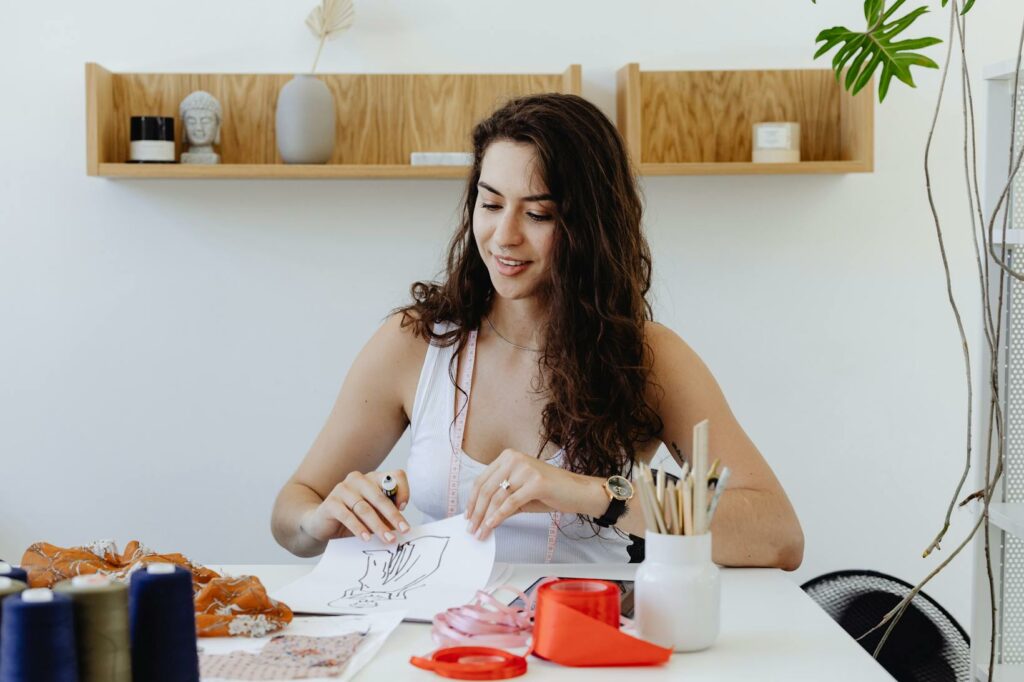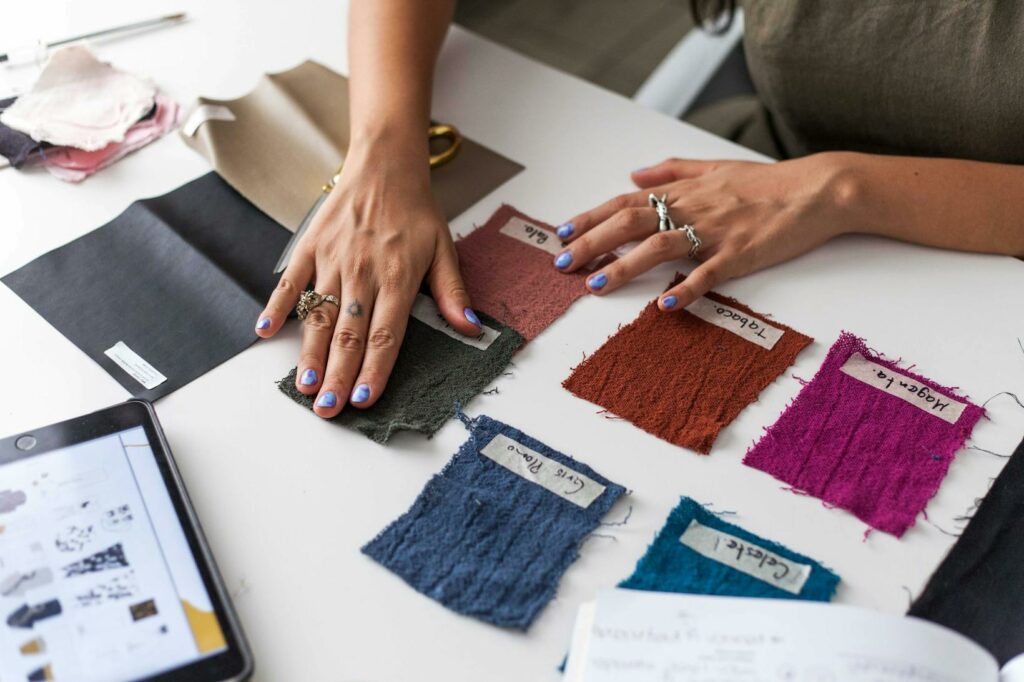

Picture this: It’s 2 a.m. in a cramped dorm room, fabric scraps everywhere, and you’re hunched over a sewing machine, racing to finish a collection that could make or break your semester. If you’ve ever dreamed of seeing your designs on a runway—or just want to create clothes that make people feel something—fashion design college might be your next big move. But is it right for you? Let’s break it down.
What Is a Fashion Design College?
A fashion design college is more than a place to learn how to sketch or sew. It’s a launchpad for creative thinkers who want to turn ideas into wearable art. These schools teach you the technical skills—pattern making, draping, textile science—but also push you to develop your own style and voice. You’ll learn from industry pros, collaborate with classmates, and build a portfolio that shows what you can do.
Who Should Consider Fashion Design College?
If you’ve ever spent hours sketching outfits in the margins of your notebook, or you can’t walk past a thrift store without imagining how you’d rework half the racks, you might be a good fit. But here’s the part nobody tells you: passion alone isn’t enough. You need grit. Fashion design college is for people who can handle criticism, work long hours, and keep going when a project falls apart. If you love problem-solving and crave creative freedom, you’ll thrive. If you want a nine-to-five with no surprises, this probably isn’t your scene.
What Do You Learn in Fashion Design College?
Let’s get specific. Here’s what you’ll actually do:
- Design Fundamentals: Color theory, fashion illustration, and trend forecasting
- Technical Skills: Sewing, draping, pattern drafting, and garment construction
- Textile Science: Understanding fabrics, fibers, and how materials behave
- Digital Tools: CAD software, 3D modeling, and digital portfolio building
- Business Basics: Merchandising, branding, and how to pitch your work
Most programs mix studio time with lectures. You’ll spend hours in the lab, but you’ll also study fashion history and learn what makes a collection stand out. The best fashion design colleges push you to experiment, fail, and try again—because that’s how you grow.
What’s the Day-to-Day Like?
Forget the movie montages. Real life at a fashion design college is a grind. You’ll juggle multiple projects, critique sessions, and deadlines. One week you’re sourcing fabric in a warehouse that smells like dust and dye; the next, you’re presenting your work to a panel of professors who don’t sugarcoat feedback. You’ll learn to take notes, fix mistakes, and keep your cool when a zipper breaks five minutes before a show. The pressure is real, but so is the payoff when you see your work come to life.
How to Choose the Right Fashion Design College
Not all fashion design colleges are created equal. Here’s what to look for:
- Accreditation: Make sure the school is recognized by industry bodies like the National Association of Schools of Art and Design (NASAD).
- Faculty: Look for instructors with real-world experience and industry connections.
- Facilities: Tour the studios, labs, and equipment. You want access to the latest tools.
- Internships: The best programs help you land internships with designers, brands, or magazines.
- Alumni Success: Check where graduates work. Are they at top fashion houses or launching their own labels?
Here’s the part nobody tells you: prestige isn’t everything. A lesser-known fashion design college with hands-on training and strong mentorship can open just as many doors as a big-name school—sometimes more.
What Does It Cost?
Fashion design college isn’t cheap. Tuition can range from $10,000 to $50,000 per year, depending on the school and location. Supplies add up fast—think sewing machines, fabric, sketchbooks, and software. Many students work part-time or apply for scholarships. If you’re worried about cost, look for schools with strong financial aid or consider starting at a community college with a transfer program.
What Careers Can You Pursue After Fashion Design College?
Graduating from a fashion design college doesn’t mean you have to become a runway designer. Here are some paths you might take:
- Apparel designer for brands or retailers
- Textile designer
- Fashion illustrator
- Technical designer (the people who make sure clothes fit and function)
- Stylist or fashion editor
- Costume designer for film, TV, or theater
- Entrepreneur—launch your own label or boutique
Some grads even move into marketing, PR, or trend forecasting. The skills you learn—creativity, project management, resilience—translate to lots of industries.
What Are the Pros and Cons?
Let’s be real. Fashion design college isn’t for everyone. Here’s what you need to know:
- Pros: Creative freedom, hands-on learning, industry connections, and a chance to build a killer portfolio.
- Cons: High cost, intense workload, and a competitive job market. You’ll need thick skin and hustle.
If you love the process as much as the product, you’ll find the work rewarding—even when it’s tough.
Tips for Getting Into Fashion Design College
Admissions can be competitive. Here’s how to stand out:
- Build a strong portfolio with original designs, sketches, and finished pieces
- Show your process—include mood boards, fabric swatches, and failed experiments
- Write a personal statement that shares your story, not just your achievements
- Get recommendations from teachers or mentors who know your work ethic
- Practice talking about your work—interviews matter
Don’t stress if you don’t have fancy materials. Admissions teams care more about your ideas and effort than perfect technique.
What Nobody Tells You About Fashion Design College
Here’s the truth: You’ll fail a lot. Your first collection might bomb. You’ll compare yourself to classmates and wonder if you belong. But you’ll also find your people—the ones who get why you care so much about a hemline or a color palette. You’ll learn to trust your instincts, take risks, and keep going when things get hard. That’s what makes fashion design college worth it.
Next Steps: Is Fashion Design College Right for You?
If you’re still reading, you probably feel that itch—the urge to create, to express, to make something new. Fashion design college isn’t easy, but it can be the start of a wild, rewarding journey. Research schools, talk to current students, and visit campuses if you can. Ask yourself what you want from your education and your career. If you’re ready to work hard, learn from mistakes, and chase your vision, fashion design college could be your next big step.