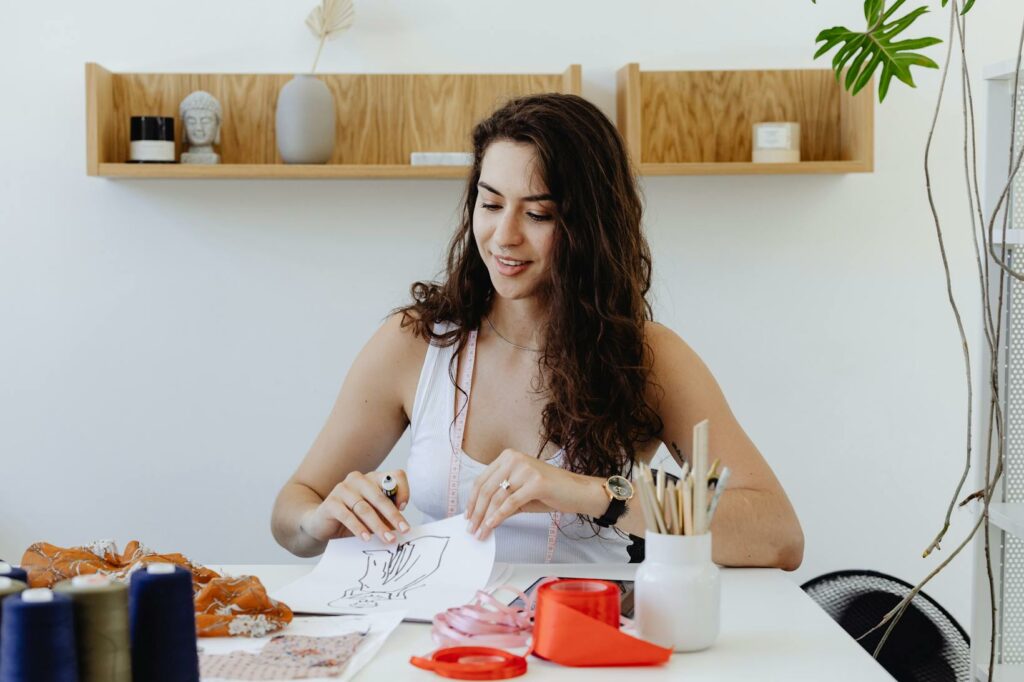

Picture this: You’re hunched over a sketchbook, pencil smudges on your fingers, heart pounding as you try to capture the wild idea that just popped into your head. That’s the magic of fashion design drawing. It’s not just about pretty clothes on paper—it’s about translating a flash of inspiration into something real, something you can touch, wear, and maybe even change the world with. If you’ve ever stared at a blank page and wondered how designers make their ideas leap off the page, you’re in the right place.
Why Fashion Design Drawing Matters
Fashion design drawing is the bridge between imagination and reality. Every iconic look—think Coco Chanel’s little black dress or Virgil Abloh’s streetwear—started as a sketch. Drawing lets you experiment, make mistakes, and find your voice before a single piece of fabric gets cut. If you want to stand out in fashion, you need to master this skill. Here’s why:
- Communication: Your sketches tell a story. They help you share your vision with clients, pattern makers, and manufacturers.
- Problem-solving: Drawing helps you spot design issues early, saving time and money.
- Portfolio power: Strong fashion design drawings make your portfolio pop and open doors in the industry.
Here’s the part nobody tells you: Even the best designers started with awkward, lopsided sketches. The difference? They kept going.
Getting Started: Tools and Materials
You don’t need a fancy studio to start fashion design drawing. Grab a few basics:
- Sketchbook (A4 or A3 size works best)
- Pencils (HB for outlines, 2B for shading)
- Fine liners or ink pens
- Colored pencils or markers
- Eraser and sharpener
If you prefer digital, try apps like Procreate or Adobe Fresco with a tablet and stylus. The key is to pick tools that feel good in your hand. Don’t get stuck shopping for supplies—start drawing with what you have.
Fashion Croquis: Your Secret Weapon
Ever notice how fashion sketches have those long, elegant figures? That’s a croquis—a quick outline of the human body, usually about nine heads tall. Croquis help you focus on the clothes, not anatomy. Here’s how to use them:
- Print or trace a basic croquis template.
- Sketch your designs right over it.
- Experiment with different poses to show off your ideas.
Pro tip: Don’t obsess over perfect proportions. The goal is to show movement and attitude. If your croquis looks like it’s strutting down a runway, you’re on the right track.
Building Your Fashion Design Drawing Skills
Let’s break it down. Drawing clothes isn’t just about copying what you see. It’s about understanding how fabric drapes, how seams shape a silhouette, and how details like buttons or zippers change the vibe. Here’s how to level up:
1. Study Real Clothes
Grab a shirt from your closet. Notice how the fabric folds at the elbows or bunches at the waist. Try sketching it from different angles. The more you observe, the more realistic your fashion design drawings will look.
2. Practice Gesture Drawing
Set a timer for two minutes and sketch quick poses. Don’t worry about details—capture the energy and flow. This builds confidence and helps your designs feel alive.
3. Play with Fabrics and Textures
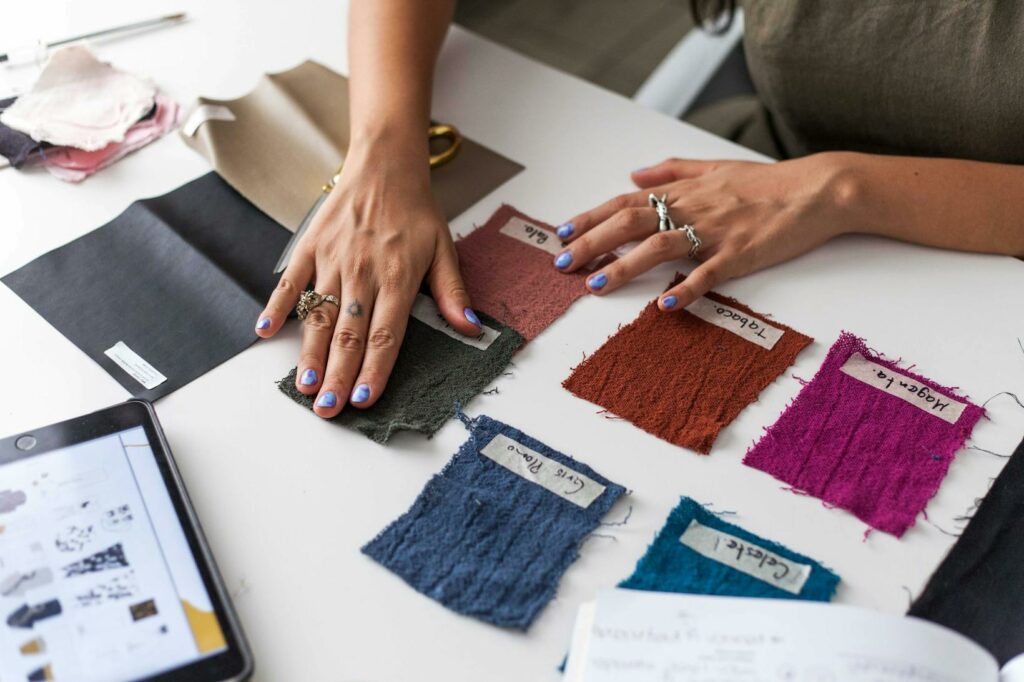
Want to draw silk? Use smooth, flowing lines. For denim, add rougher shading. Try drawing lace, leather, or knits. Each material has its own personality. If you mess up, laugh it off and try again. Every mistake teaches you something new.
4. Add Color and Details
Once you’re happy with your sketch, bring it to life with color. Use light washes for delicate fabrics or bold strokes for statement pieces. Add stitching, buttons, or prints. These little touches make your fashion design drawing stand out.
Common Mistakes (And How to Fix Them)
If you’ve ever felt stuck or frustrated, you’re not alone. Here are a few classic mistakes—and how to dodge them:
- Stiff poses: Loosen up with gesture drawing. Imagine your figure dancing or walking.
- Flat clothes: Add shadows and highlights to show depth. Think about where the light hits.
- Overcrowded designs: Focus on one idea per sketch. Let your main feature shine.
Remember, every designer has a pile of “bad” sketches. The only way to get better is to keep drawing.
Finding Your Style
Here’s the truth: There’s no single “right” way to do fashion design drawing. Some designers love crisp, technical sketches. Others go wild with color and loose lines. Your style will evolve as you draw more. Try copying your favorite designers, then mix in your own ideas. Over time, your unique voice will shine through.
Fashion Design Drawing for Different Goals
Not every fashion design drawing serves the same purpose. Here’s how to tailor your sketches:
- Portfolio pieces: Go for polished, detailed drawings that show your range.
- Concept sketches: Keep it loose and fast. Focus on mood and silhouette.
- Technical flats: Draw garments from the front and back, with clear lines and measurements. These help pattern makers bring your ideas to life.
If you’re aiming for a job in fashion, strong technical drawings are a must. If you’re designing for fun, let your imagination run wild.
Who Should Try Fashion Design Drawing?
If you love clothes, art, or storytelling, fashion design drawing is for you. It’s perfect for:
- Students building a portfolio
- Hobbyists who want to sketch their dream wardrobe
- Designers pitching ideas to brands or clients
- Anyone who wants to express themselves through style
If you hate drawing or prefer working with fabric right away, you might skip this step. But even a few basic sketches can help you clarify your ideas.
Next Steps: Keep Growing
Fashion design drawing is a journey, not a destination. The more you draw, the more confident you’ll feel. Here’s how to keep the momentum:
- Join online challenges like #FashionSketchFriday
- Take a class—many are free on YouTube or Skillshare
- Share your work on Instagram or Pinterest
- Ask for feedback from friends or mentors
Every sketch brings you closer to your creative vision. Don’t wait for permission—start drawing today. Your next idea could be the one that changes everything.