What makes a room feel truly complete? Is it the furniture, the colours on the walls, or the carefully chosen decorations? While these elements all contribute to the overall look, textiles often play one of the most important roles in creating a warm, inviting, and personalised interior. From curtains and rugs to cushions, upholstery, and bedding, textiles bring softness, texture, and character into a space.
Interior design is not only about creating visually appealing rooms but also about designing environments that feel comfortable and functional. Textiles help achieve this balance by adding layers, improving atmosphere, and allowing homeowners to express their personal style. Whether a space follows a modern, minimalist, traditional, or eclectic aesthetic, the right fabrics can transform the entire experience of a room.
Creating Warmth and Comfort Through Fabrics
One of the greatest benefits of textiles in interior design is their ability to make spaces feel more comfortable. Hard surfaces such as wood, metal, and stone can create a clean and stylish appearance, but they may sometimes feel cold or uninviting. Textiles introduce softness and warmth, making rooms more welcoming.
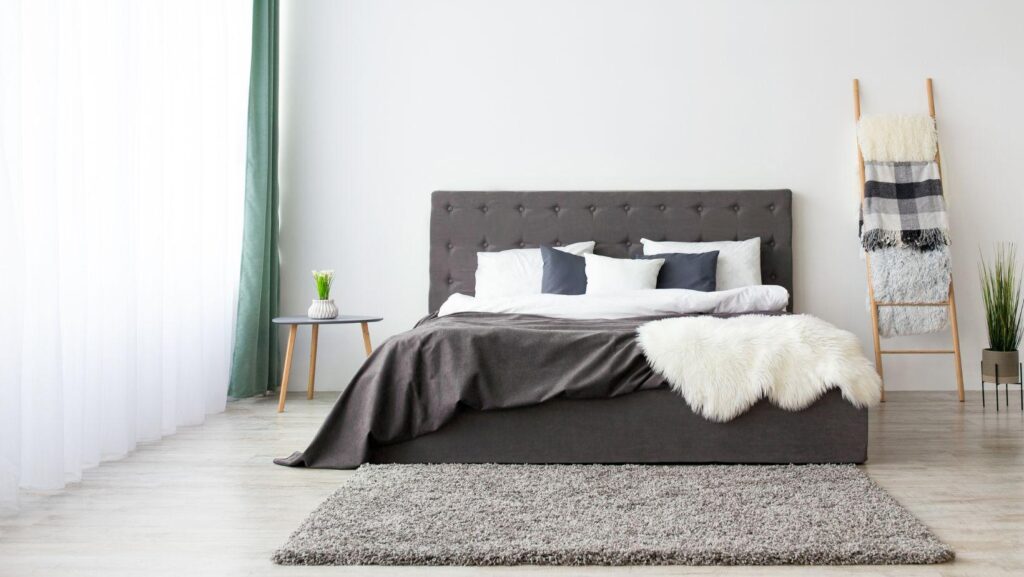
A plush rug can instantly make a living room feel cosier, while layered blankets and cushions can turn a simple sofa into a relaxing place to unwind. Bedroom textiles, including bedding and curtains, contribute to a sense of comfort and relaxation, helping create a peaceful environment.
Beyond physical comfort, textiles also influence how people emotionally connect with a space. The textures, colours, and patterns of fabrics can create feelings of calmness, energy, luxury, or familiarity depending on the choices made.
Adding Texture and Depth to Interior Spaces
A room filled with furniture and decorations can still feel flat without different textures. Textiles are essential for adding depth and visual interest because they introduce a variety of surfaces that engage the senses.
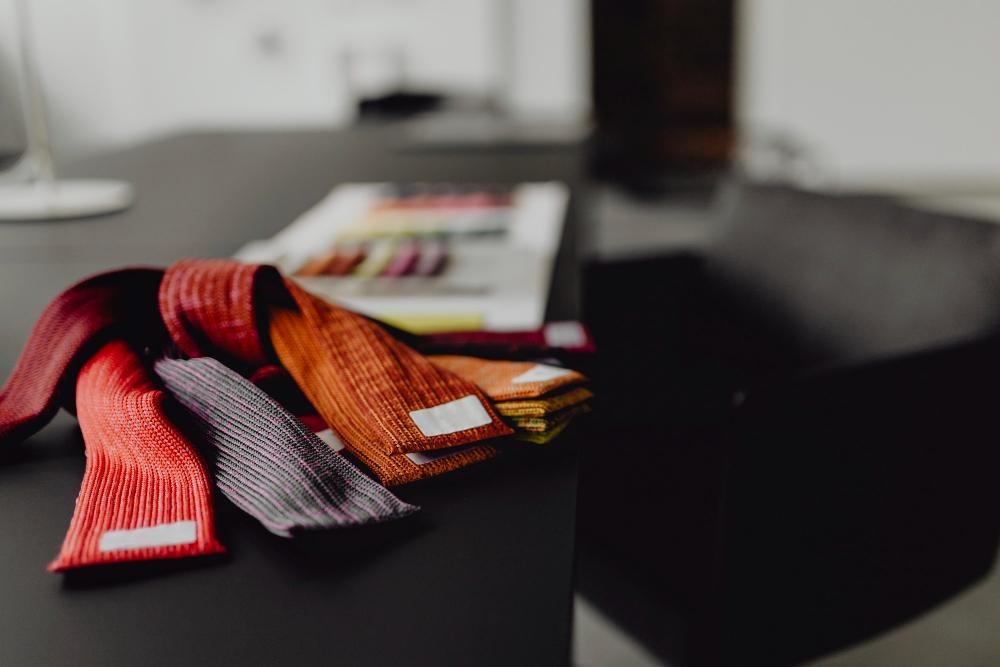
Materials such as velvet, linen, cotton, wool, and silk each create a different impression. Velvet can add elegance and richness, while linen creates a relaxed and natural atmosphere. Wool rugs provide warmth and durability, making them practical as well as stylish choices.
Combining different textile textures is a common technique used by interior designers to make rooms feel more dynamic. For example, pairing a smooth leather sofa with knitted throws, woven cushions, and a textured rug creates a balanced look that feels carefully designed rather than overly coordinated.
Using Colours and Patterns to Express Personality
Textiles offer one of the easiest ways to introduce colour and personality into an interior. Unlike permanent design choices such as flooring or wall colours, fabrics can be changed more easily, allowing spaces to evolve with changing tastes and trends.
Curtains, cushions, rugs, and upholstery can introduce bold colours, subtle tones, or eye-catching patterns. A neutral room can gain character through patterned cushions or a statement rug, while a colourful space can be balanced with softer fabrics in natural shades.
Patterns also influence the mood of a room. Floral designs may create a traditional or romantic feel, geometric patterns can add a contemporary touch, and organic textures often bring a sense of nature indoors. The right textile choices allow homeowners to create interiors that reflect their lifestyle and preferences.
Improving Functionality and Practicality
Although textiles are often appreciated for their decorative value, they also serve many practical purposes. Curtains help control natural light and provide privacy, while rugs can reduce noise and make walking surfaces more comfortable. Upholstered furniture offers additional support and comfort for everyday use.
In busy homes, choosing the right fabrics is especially important. Durable and easy-to-clean materials can help maintain a stylish appearance while handling daily wear and tear. Modern textile options include stain-resistant fabrics and sustainable materials designed to combine practicality with attractive design. Items such as chair slipcovers can also help protect furniture while offering an easy way to refresh a room’s appearance with new colours, patterns, or textures.
Interior designers often consider both beauty and performance when selecting textiles, ensuring that each element contributes to the overall function of the space.
Supporting Sustainable Interior Design Choices
As sustainability becomes increasingly important in home design, textiles are also changing. Many homeowners are choosing natural fibres, recycled materials, and responsibly produced fabrics to reduce environmental impact.
Materials such as organic cotton, hemp, and recycled textiles provide alternatives to traditional options while still offering comfort and style. Vintage fabrics and upcycled textile pieces are also becoming popular because they add uniqueness and reduce waste.
Sustainable textiles demonstrate that interior design can be both beautiful and environmentally conscious. Thoughtful fabric choices can create timeless spaces that remain appealing for years.
The Importance of Textiles in Modern Interiors
Textiles are much more than decorative additions; they are essential design elements that influence the look, feel, and functionality of a home. They bring warmth to minimalist spaces, add personality to neutral rooms, and create opportunities for creativity through colour, texture, and pattern.
A well-designed interior often depends on the balance between different materials, and textiles provide the softness needed to make spaces feel complete. Whether through a statement rug, elegant curtains, comfortable cushions, or carefully chosen upholstery, fabrics have the power to transform ordinary rooms into inviting and memorable environments.
The importance of textiles in interior design cannot be underestimated. They combine beauty and practicality, helping create spaces that are comfortable, stylish, and personal. By choosing the right fabrics, colours, and textures, homeowners can enhance their interiors while creating an atmosphere that reflects their unique taste and way of living.
From adding warmth to improving functionality, textiles remain one of the most versatile tools in interior design. They prove that even the smallest fabric details can make a significant difference in how a space looks and feels.