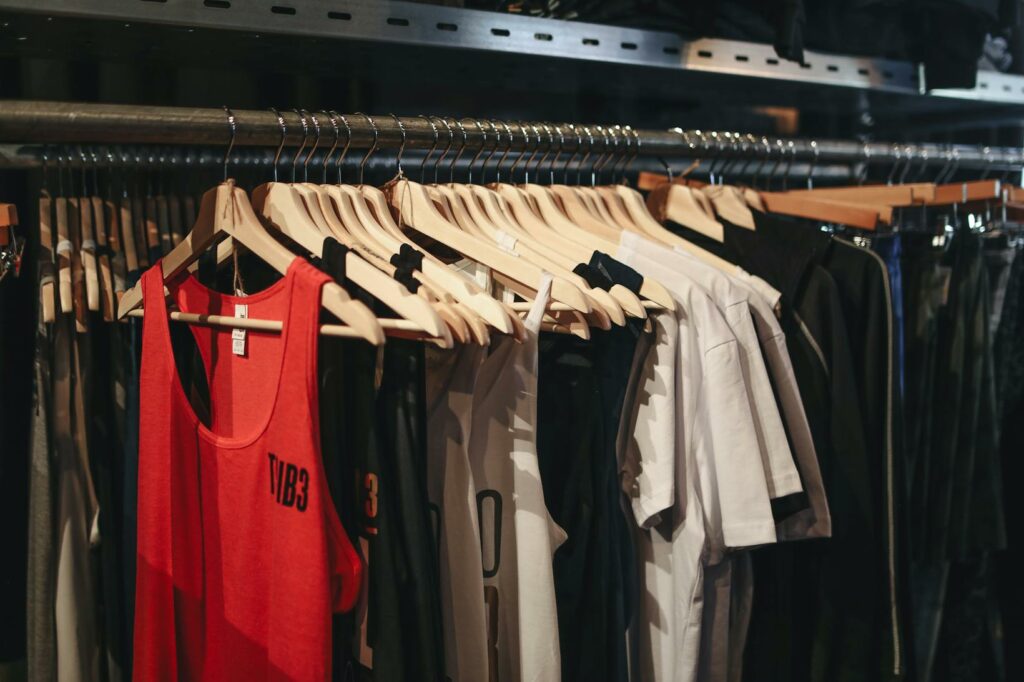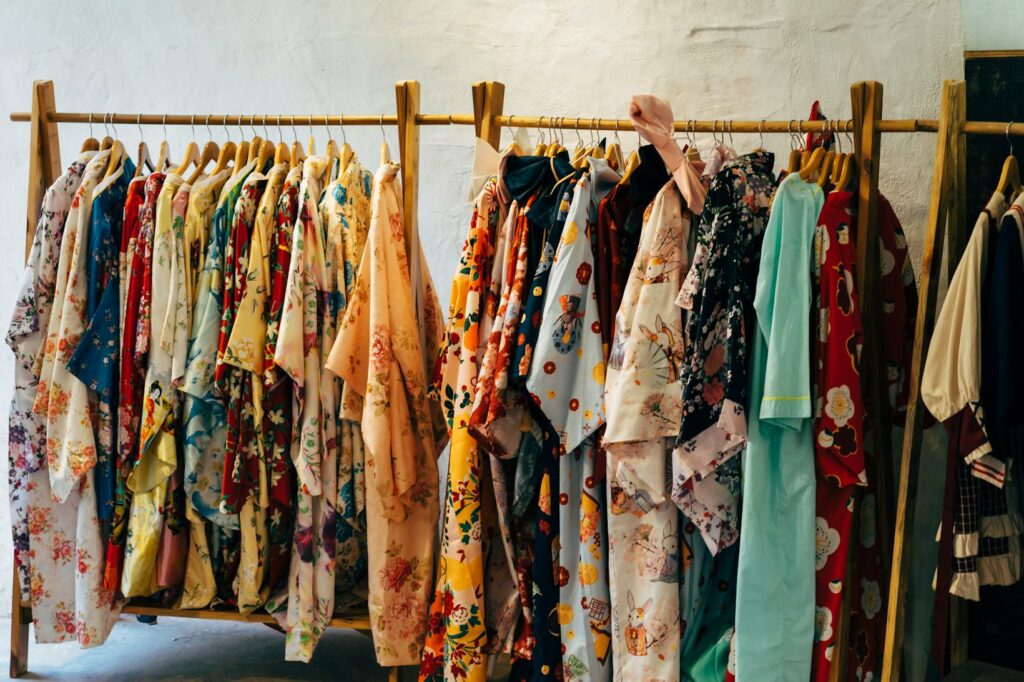

Fashion spent the better part of a decade being dragged, publicly and repeatedly, into conversations about where its materials actually come from. That pressure produced a genuine cultural shift: consumers now expect brands across categories, not just apparel, to answer detailed questions about sourcing, labor, and material origin. Botanical product brands, kratom vendors included, are now operating inside that same expectation, whether or not they originally saw themselves as part of that conversation.
How the Standard Traveled
Supply chain transparency didn’t stay contained to textiles for long. Once consumers learned to ask “where does this actually come from and who verifies it,” that question started applying to food, beauty, and eventually specialty botanicals. Kratom, sourced primarily from Indonesia and other parts of Southeast Asia, sits squarely inside that expanded expectation now. Buyers who wouldn’t have thought twice about a botanical supplement’s origin five years ago are increasingly asking the same sourcing questions they’d ask about a garment’s supply chain.
What Verification Looks Like in This Category
For fashion, verification eventually came to mean third-party audits, certification labels, and public sourcing maps. For botanical products, the equivalent is laboratory verification: independent testing for heavy metals and microbial contamination, along with confirmation of the plant’s alkaloid identity, tied to specific production batches rather than a general company statement. It’s a different mechanism suited to a different kind of product, but it serves the same cultural function fashion’s transparency movement established, giving consumers a way to verify a claim rather than simply trust it.
Manufacturing Standards as the New Certification Layer
The apparel world has various certification marks consumers have learned to recognize. Botanical products are building something analogous through the American Kratom Association’s voluntary Good Manufacturing Practices program, which establishes standards for sanitation, staff training, and batch traceability. It functions as an early-stage version of the kind of third-party verification infrastructure that took fashion years to formalize, and its existence gives business-minded observers a useful marker for tracking how quickly this category is maturing.
Business Implications for Brands in This Space
Companies that treat sourcing transparency as central to their identity, rather than a defensive response to criticism, tend to build stronger customer relationships from the outset. Kingdom Kratom operates within this cultural moment as an example of a retail brand built around publicly available sourcing and testing information, which is precisely the kind of proactive transparency that fashion brands eventually learned, often the hard way, that customers actually want.
A Category Still Writing Its Rulebook
Unlike fashion’s supply chain movement, which developed against a backdrop of established international labor and trade law, kratom’s regulatory framework is still being written state by state within the United States. Some states have adopted specific consumer protection legislation; others have none. That means the cultural expectation of transparency is, in some ways, running ahead of the formal legal requirement to provide it, which puts more weight on voluntary disclosure than in more mature regulatory categories.
An Adult Category, Worth Noting Plainly
Kratom is intended strictly for adult use, and because applicable rules differ meaningfully across states and municipalities, anyone interested in the category should check their own local regulations before making a purchase, the same way any culturally aware consumer would check a garment’s country-of-origin label before assuming what it means.
Where Storytelling and Documentation Meet
The most effective brand storytelling in this new environment doesn’t abandon narrative for spreadsheets, it blends the two. A brand can still tell a compelling story about where a botanical is grown and how it’s processed, the same way a fashion label might tell the story of a specific mill or artisan community, as long as that story is backed by verifiable documentation rather than replacing it. Consumers have shown they’re perfectly willing to engage with a good sourcing story; what they’ve stopped tolerating is a story that can’t hold up when someone actually asks for the receipts.
The Bigger Cultural Takeaway
What connects fashion’s transparency reckoning to what’s happening in botanical products now is a single cultural shift: consumers no longer accept a brand’s word as sufficient proof of quality or origin. That shift, once it takes hold in one category, tends to spread, and businesses that adapt early to the new expectation are the ones that end up defining what “trustworthy” looks like for everyone who follows, the same way early movers on fashion’s transparency reckoning became the reference points the rest of the industry was eventually measured against.